Brand Architecture vs Visual Identity: The DC Law Firm Checklist
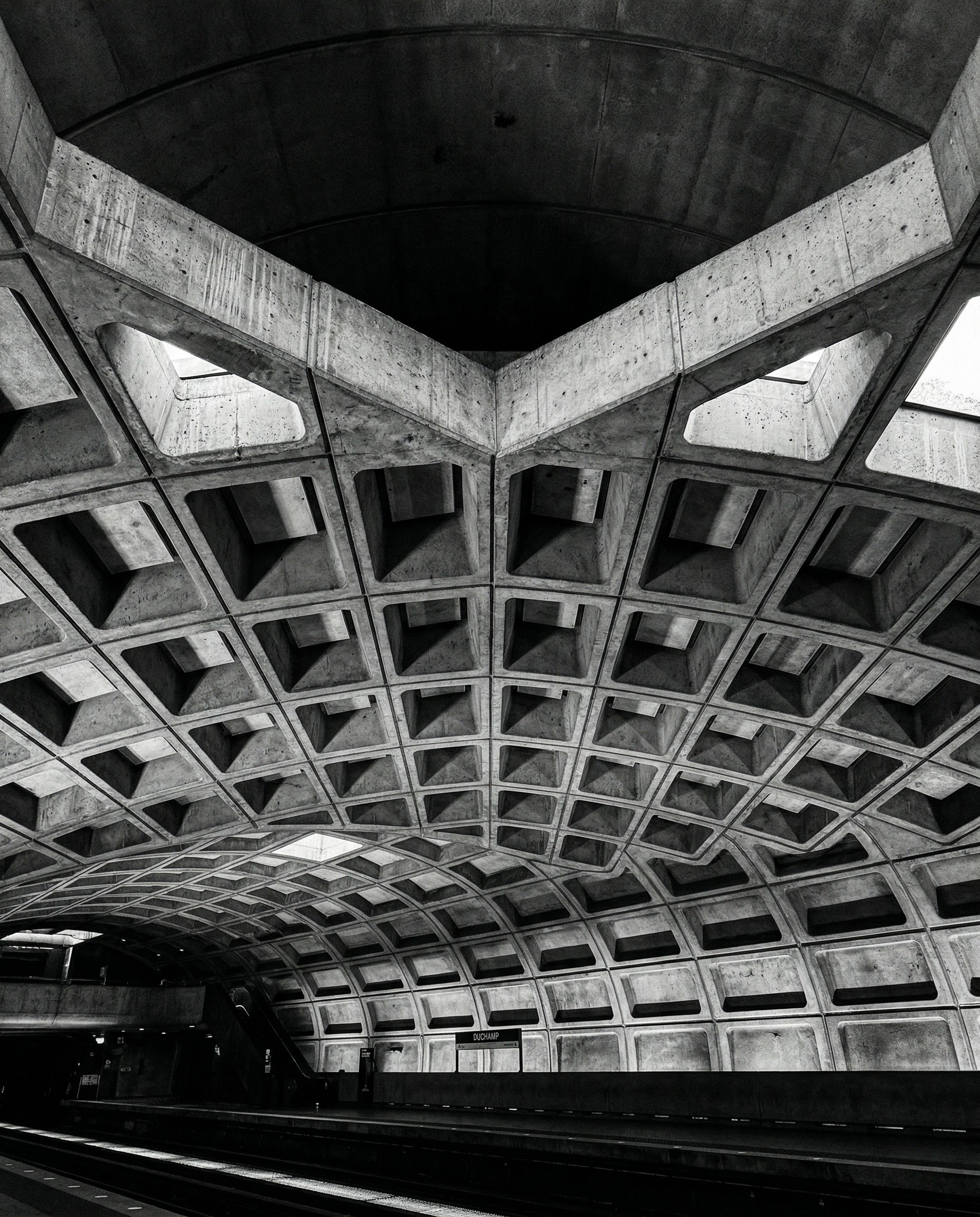
Most Alexandria and DC law firms call us asking for a "new logo." What they actually need is architecture.
After 20 years building brands, I've watched firms spend $40K on a visual identity that still loses pitches. The logo is beautiful. The website is modern. But partners still can't explain what the firm does in one sentence. That's not a design problem. That's an architecture problem.
The Difference in 30 Seconds
Brand Architecture is the structure: how you organize practices, name services, prioritize proof, and guide a buyer from confusion to confidence. It's the blueprint.
Visual Identity is the finish: logo, color, typography, photography style. It's the paint.
You can't paint your way out of a bad floor plan. DC buyers — GCs, agency counsel, procurement officers — don't hire you for your gradient. They hire you for clarity.
Why Law Firms Get This Wrong
Three patterns we see weekly in the DMV:
- Practice sprawl. 12 practice areas listed alphabetically, none prioritized. A GC looking for False Claims Act defense has to hunt.
- Partner ego navigation. Bios organized by seniority, not buyer relevance. Your rainmaker's bio is buried on page 3.
- Proof as decoration. Case wins listed as PDFs, not structured by industry, matter type, or outcome.
This is why your site "looks professional" but doesn't convert. We see it because we engineer digital authority for brands that refuse to blend in, and we start with structure, not style.
The 5-Part Architecture Checklist for DC Firms
Use this before you touch a logo.
1. Positioning Statement (8 words max)
Can a referral source explain you at a Bar event? Bad: "Full-service business law firm serving the Mid-Atlantic". Good: "Government contracts litigation for mid-market contractors".
Write it. Test it. If partners disagree, you have an architecture problem.
2. Practice Hierarchy
Rank your top 3 revenue drivers. Those get homepage real estate, not equal weight with everything else. For DC firms, this usually means:
- Primary: Your differentiator (e.g., Bid Protests)
- Secondary: Supporting practices that feed it
- Tertiary: Everything else lives in a well-organized index
Link each to service pages, not a PDF brochure.
3. Proof Architecture
DC buyers trust structured proof, not adjectives. Build three buckets:
- By Agency: DoD, DHS, HHS wins separated
- By Matter Type: Protests, claims, compliance
- By Outcome: Dollars saved, contracts preserved, debarment avoided
Each case study needs: client type (anonymized), challenge, action, quantified result. No result, no publish.
4. Team Structure
Stop listing 40 attorneys alphabetically. Create buyer paths:
- "Meet the bid protest team" — 3 lawyers, relevant wins, clearances
- "Leadership" — managing partner, BD lead
- Full directory for SEO, but not primary navigation
This mirrors how GCs actually buy: team first, firm second.
5. Trust Infrastructure
For Alexandria and DC firms, these are non-negotiable above the fold:
- Bar admissions (DC, VA, MD)
- Security clearances held
- GSA Schedule or contract vehicles
- 508-compliant site
- Real office address in DMV (not a Regus)
This is the Alexandria Advantage we build into every structural brand.
Visual Identity: What Comes After
Once architecture is locked, visual identity becomes easy. We choose:
- Typography: A serif for authority (headlines), a neutral sans for legibility (body). No more than two families.
- Color: Navy or charcoal as base, one accent for calls-to-action. DC doesn't reward neon.
- Photography: Real partners in real conference rooms, not stock handshakes. Consistency over creativity.
Every visual choice must support the architecture. If it doesn't help a GC find your False Claims experience faster, cut it. Precision over fluff.
We recently restructured a 28-attorney Tysons firm using this exact checklist. No rebrand. Same logo. We reorganized practices, built matter-type landing pages, and elevated proof. Result: 2.4x increase in qualified RFP inquiries in 60 days. Same paint, new floor plan.
Next Step
Run this checklist internally. Score yourself 0-2 on each of the five parts. Under 7? Start with architecture.
Read the full framework in our DC Brand Authority Playbook, where we break down the 7-Point Audit we use for professional service firms.
Book a Clarity Session